




Cannabis-Induced Psychosis: What Families Are Seeing and What Can Help
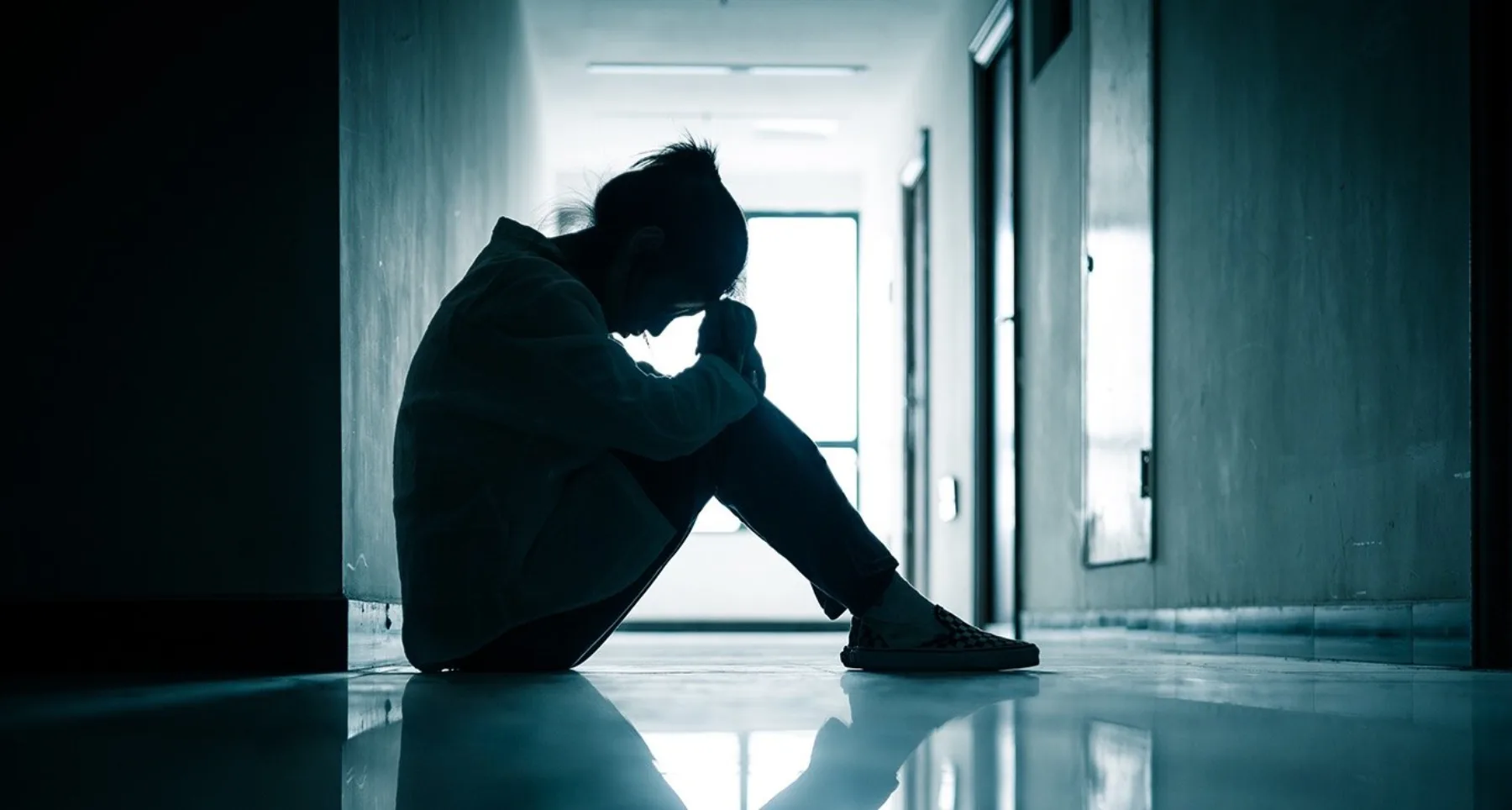
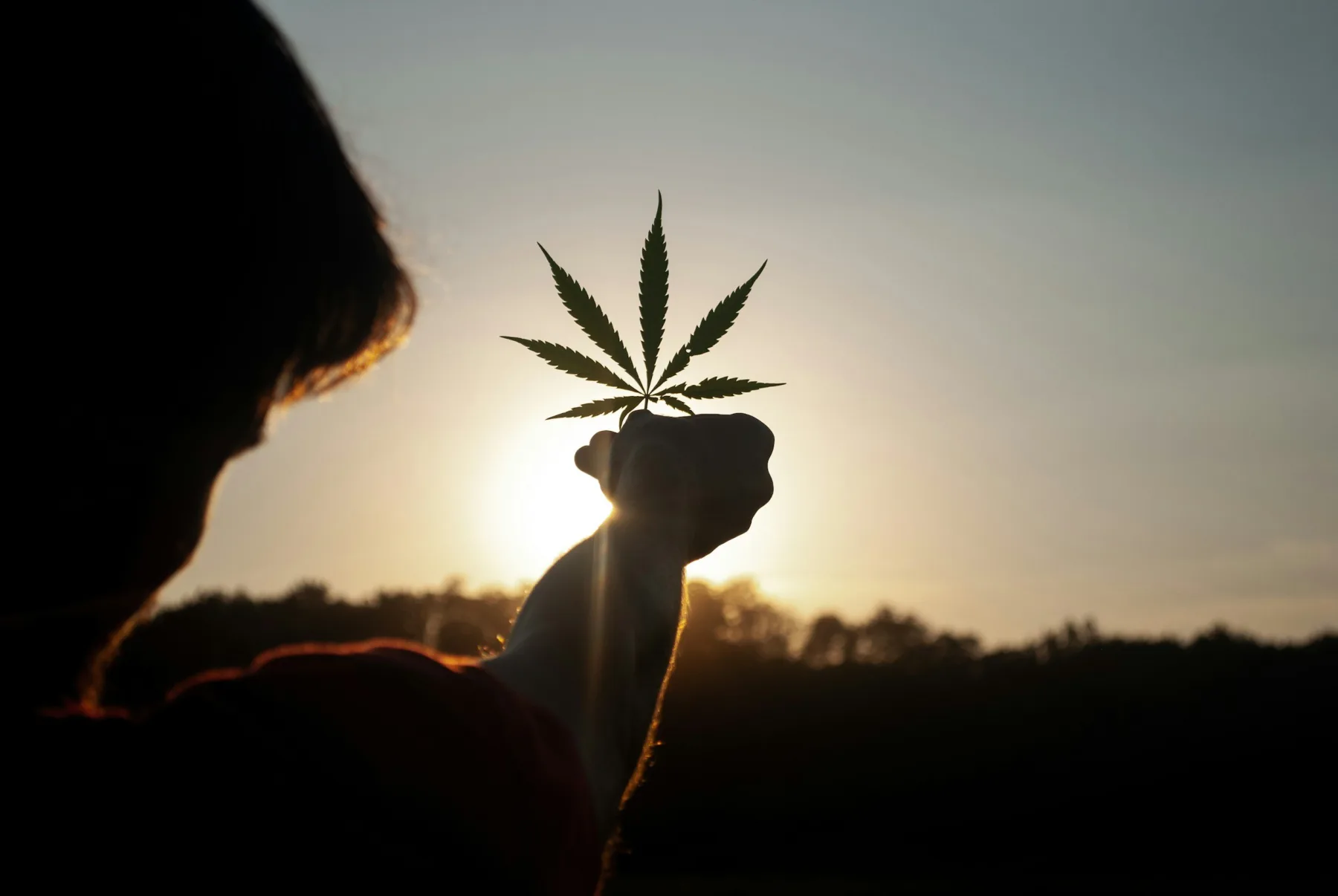
High-potency THC has changed the risk profile of cannabis use, especially for adolescents and young adults. This article explores cannabis-induced psychosis, the warning signs families are seeing, and how thoughtful, supportive intervention can help restore clarity, safety, and stability. Written for families and clinicians seeking real-world guidance without fear or judgment.
Why Community Matters When You’re Still Trying to Understand What’s Happening
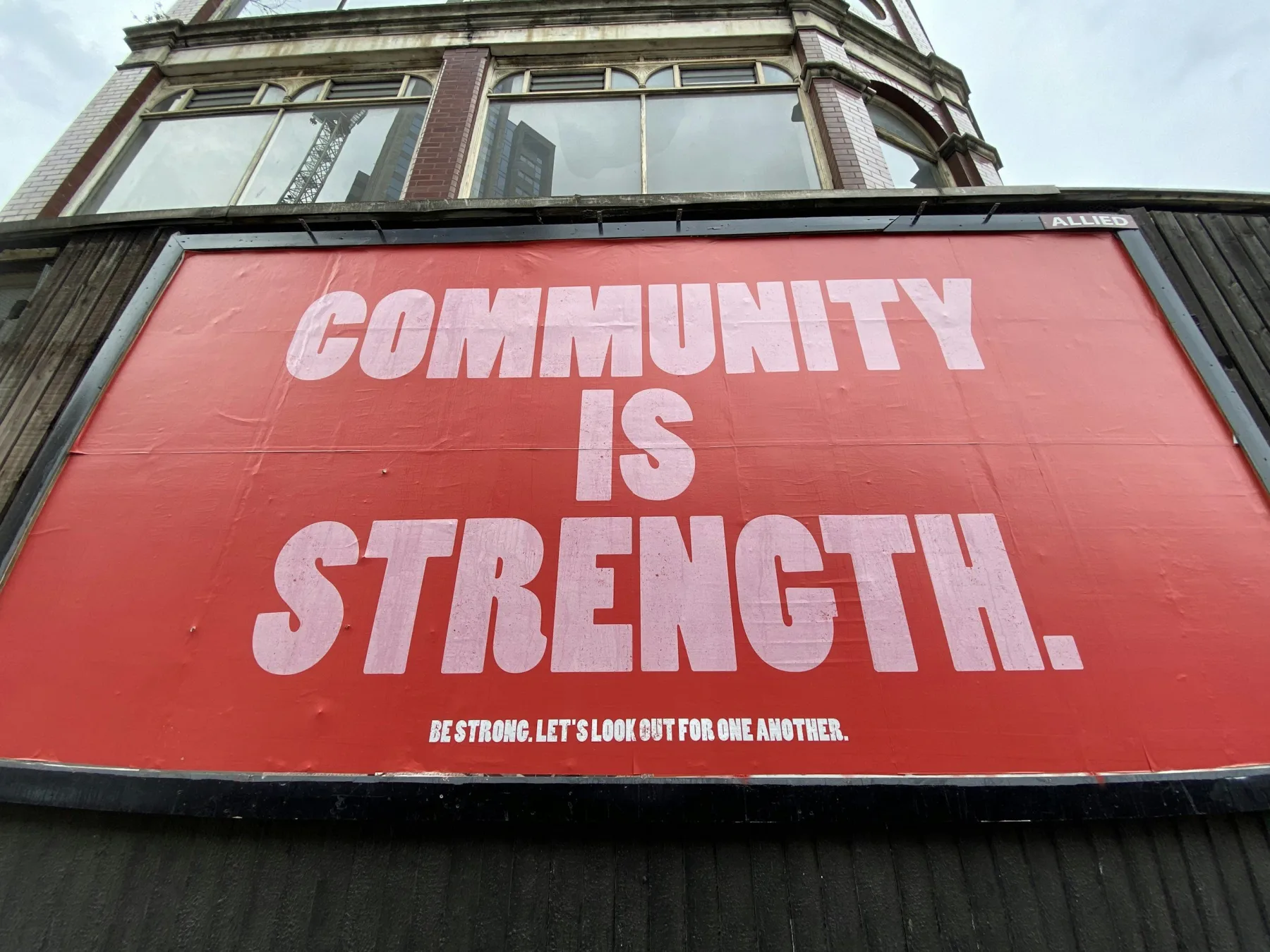
When families are navigating addiction or complex mental health concerns, clarity often comes later. This piece explores why community matters most in the early, uncertain stages, how isolation intensifies fear, and why skills-based family support can help families feel steadier, more informed, and less alone before answers arrive.

Sober Living and the Importance of Aftercare in Recovery
After treatment ends, recovery is just beginning. Learn why aftercare matters for teens and young adults, what thoughtful outpatient care looks like, and how families can choose support that creates long-term stability.

When Gratitude Feels Out of Reach
The holidays can magnify loss, stress, and uncertainty for families impacted by addiction, mental health challenges, or fractured relationships. This in depth blog explores a grounded approach to gratitude that moves away from forced positivity and toward honest acknowledgment of both pain and progress. Written for families, clinicians, and loved ones navigating recovery and transition.
Creating New Holiday Traditions in Recovery
The holidays can feel different in recovery. This blog explores how creating new, intentional traditions can support steadiness, connection, and meaning during a season that often brings change.
Family Recovery: Navigating Family Gatherings in Early Recovery
Family gatherings in early recovery can feel complicated. This guide offers calm, practical strategies for staying steady, protecting sobriety, and supporting connection through the holidays.
Navigating Holiday Triggers: Staying Strong in Recovery
The holiday season can be a challenging time for individuals in recovery, with family stress, social pressures, and disrupted routines often acting as powerful triggers. In this blog, we explore practical strategies to navigate these challenges, including setting boundaries, creating a relapse prevention plan, and building a supportive network. Discover how professional support, like family recovery coaching and sober companions, can help you stay strong and embrace the holidays as an opportunity for growth and healing.
Holding Steady Through the Holidays
Learn how to navigate holiday triggers in recovery with steadiness and intention. Practical guidance for staying grounded, connected, and supported this season.
Letting Consequences Do Their Job
Many families try to protect their loved one from pain, not realizing that natural consequences are essential for growth. This blog explores how allowing reality to do its job helps reduce chaos, deepen accountability, and strengthen family recovery.
The Myth of Quick Fixes: Why Sustainable Recovery Takes Time
Many families hope treatment will fix everything fast. This blog reframes recovery as gradual, layered, and sustainable for the long road ahead.
When Support Feels Like Control
Families often try to help a loved one in recovery but unintentionally slip into control. Learn how to recognize the difference between support and control, set healthy boundaries, and build trust in recovery.
The Fear Season: How Anxiety Shows Up in Recovery and Family Systems
Explore how fear and anxiety surface during fall and winter transitions, especially for families navigating recovery. Learn how to recognize fear-driven behaviors and restore calm and connection.
Parallel Recovery: Walking Two Paths at Once
Recovery is not just about the individual. Families need healing too. Learn how parallel recovery helps loved ones and families walk side by side, creating stronger foundations for lasting change.
Family Grief: Mourning Who They Were, While Supporting Who They Are
Families coping with addiction and mental illness often grieve the person their loved one used to be, while struggling to support who they are today. Learn about ambiguous loss, why naming this grief matters, and how healing begins with support and guidance.
When Addiction Isn’t the Whole Story
When addiction co-occurs with trauma, eating disorders, or mental health conditions, recovery requires more than stopping substance use. Learn why integrated care matters and how families can support lasting healing.
When Families Feel Like They’ve Tried Everything
Families facing addiction often feel like they have “tried everything” without success. Learn why Structured Family Support, clear boundaries, and parallel healing can break the cycle of burnout and create hope for lasting change.
Transitions Bring Triggers: Supporting Families Through Seasonal Change
Seasonal transitions can trigger stress and relapse risk for families affected by addiction or mental health challenges. Learn practical strategies to set expectations, balance support with boundaries, and navigate change with confidence.
Breaking the Cycle: How Families Heal from the Impact of Complex Mental Health and Addiction
Families living with addiction and complex mental health carry scars of trauma that can last for years. Learn how families can heal through education, boundaries, coaching, and support to break cycles and build resilience.
Complex Mental Health and Addiction: Why Families Need an Integrated Approach
Complex mental health and addiction often overlap, creating challenges for individuals and families. Learn why integrated treatment is essential, how families are affected, and what steps can lead to sustainable recovery.
The Impact of Addiction on Families: Complex Trauma Symptoms
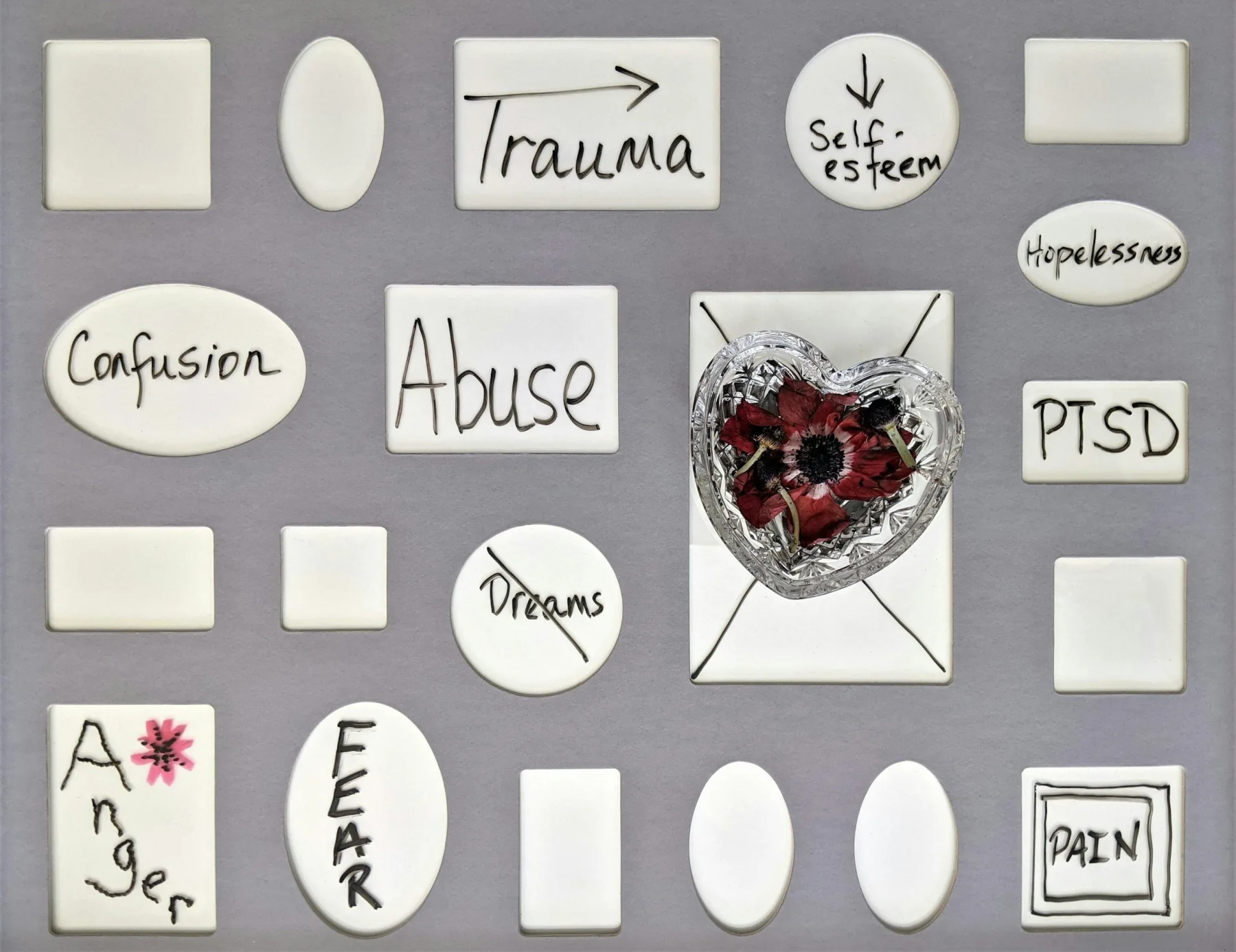
Learn how addiction creates complex trauma symptoms in families and why healing requires more than just sobriety. Explore the impact of addiction on children, partners, and families, plus strategies for long-term recovery and resilience.