One of the hardest parts of loving someone through addiction or complex mental health challenges is not knowing exactly what you’re facing.
Families often say some version of the same thing: “I don’t know what this is. I just know my loved one isn’t the same.”
They may not have a diagnosis. They may not even have a clear explanation for what they’re seeing. What they do have is a growing sense that something has shifted, and that whatever is happening feels bigger than they can manage alone.
That space, the in-between, is often where families feel the most isolated.
When there aren’t clear answers, it’s easy to second-guess yourself. To minimize what you’re seeing. To wonder if you’re overreacting. Many families wait for clarity before reaching out, believing they need a label or a plan before they deserve support. Others pull back because they’re afraid of saying the wrong thing or being misunderstood.
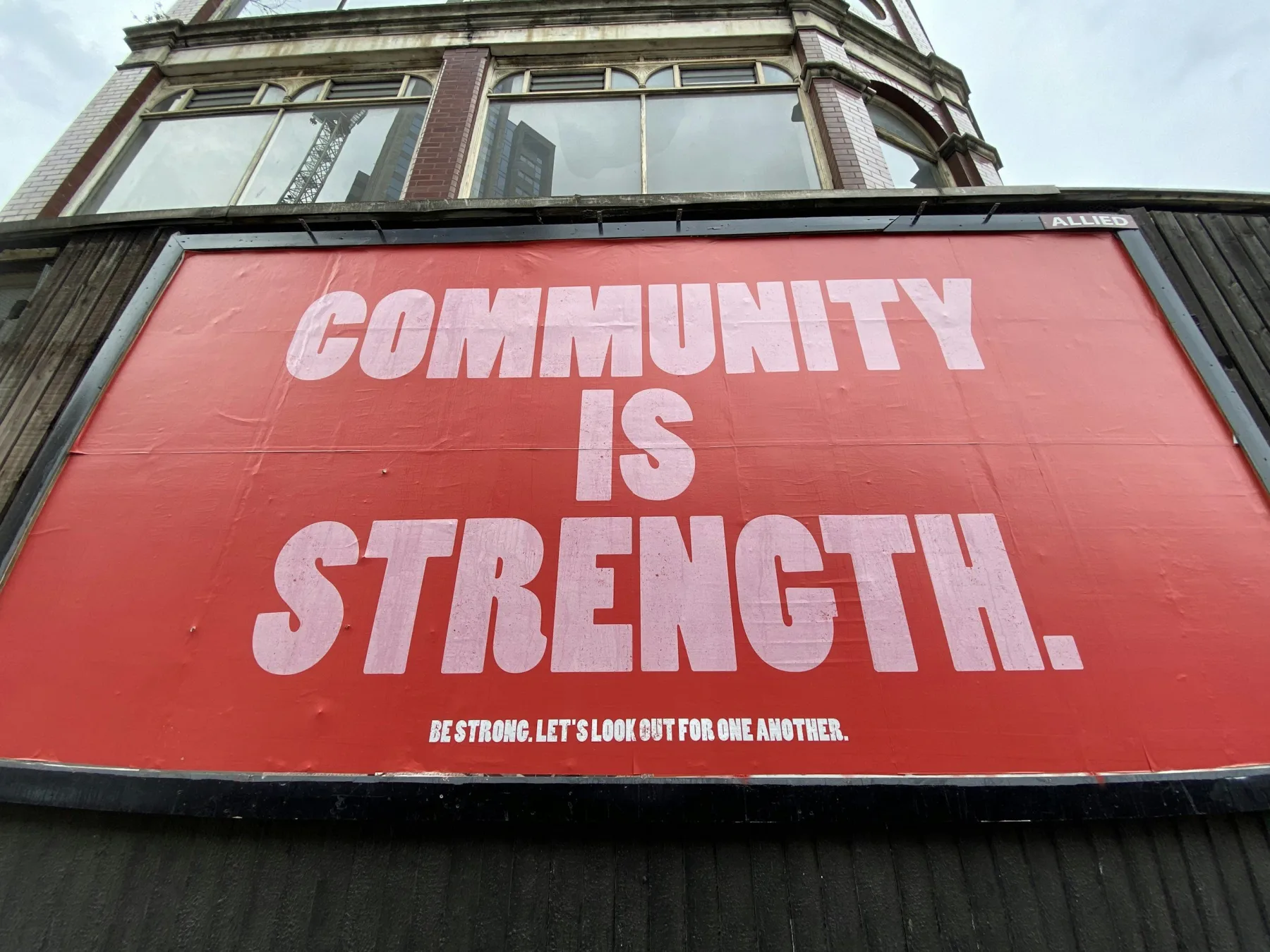
What I’ve learned over years of working alongside families is this: community matters most before clarity arrives.
The Cost of Isolation
Isolation often creeps in quietly. Families stop sharing openly. They handle things behind closed doors. They carry fear, grief, and confusion on their own, believing they should be able to manage it better or longer.
But isolation tends to amplify fear. It narrows perspective. It keeps families stuck in their own heads, replaying the same questions without new insight or support.
Community interrupts that cycle.
Being in community doesn’t mean you have all the answers. It doesn’t mean you’re ready to take action or even fully understand what’s happening. It simply means you’re no longer carrying it alone.
When families sit with others who recognize the uncertainty, the worry, and the grief that comes with watching someone change in unfamiliar ways, something shifts. They begin to feel steadier. Less reactive. More grounded in what they’re seeing and feeling.
That steadiness matters. It’s often what allows families to pause, reflect, and take the next right step rather than reacting out of fear or exhaustion.
Community Before Answers
There’s a common belief that support should come after a diagnosis or a clear plan. In reality, families benefit most when connection comes first.
Community offers language when words are hard to find. It offers perspective when everything feels urgent or overwhelming. And it gently reminds families that they are not failing, not imagining things, and not alone in this experience.
Over time, connection often brings clarity. Not because someone hands you a solution, but because fear quiets enough for insight to emerge.
Walking Beside Families Each Week
One of the things I love most about my role as Director of Family Services at Arkview Behavioral Health is the opportunity to walk beside families each Tuesday as they move from isolation toward connection.
Each week, I sit with parents, partners, and loved ones who arrive carrying different stories. Some come in the middle of crisis. Others are newly out of one. Some know exactly what they’re facing. Others only know that something doesn’t feel right anymore.
What they share is a need for steadiness, understanding, and a place where they don’t have to explain or justify their concern.
This is structured as a skills-based space open to all, not just a place to share. Families find community there, but they also learn practical tools for navigating what happens when addiction or complex mental health concerns enter a home uninvited.
Each week, we focus on skills families can actually use: communication strategies that reduce escalation, boundaries that protect relationships without abandoning connection, and ways to respond that don’t fuel fear or reactivity. The goal isn’t to fix anyone or force outcomes, but to help families feel steadier, more informed, and better equipped to handle what’s in front of them.
Community creates connection. Skills create capacity. Families need both.
You Don’t Have to Know Yet
If you’re reading this and feeling unsure about what you’re facing, know this: you don’t need certainty to seek support. You don’t need the right language. You don’t need to have it all figured out.
You just need a place where what you’re carrying can be held with care.
Connection often comes before clarity. And for many families, that connection becomes the bridge to understanding, healing, and hope.
Interested in Learning More?
If you’d like to learn more about the family support group or explore whether it might be a fit, you’re welcome to reach out directly at info@interventionswithlove.com.